Jorge Mejía Peralta / Flickr / CC BY 2.0 DEED
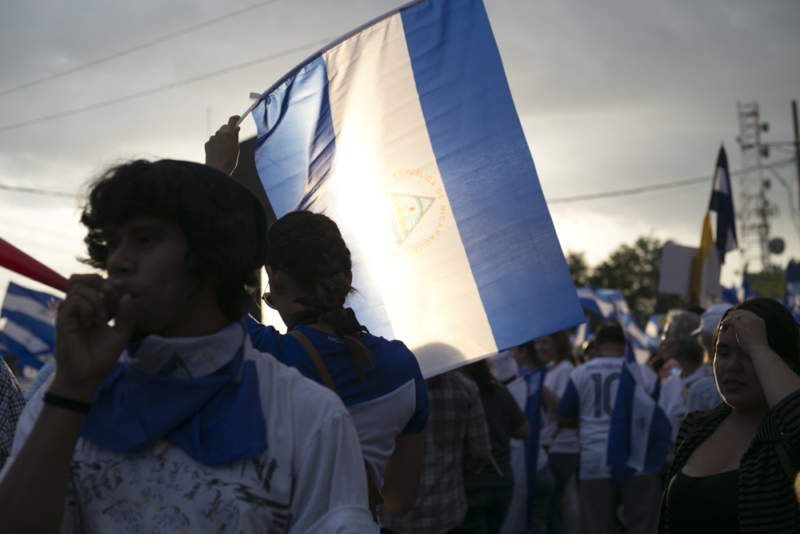
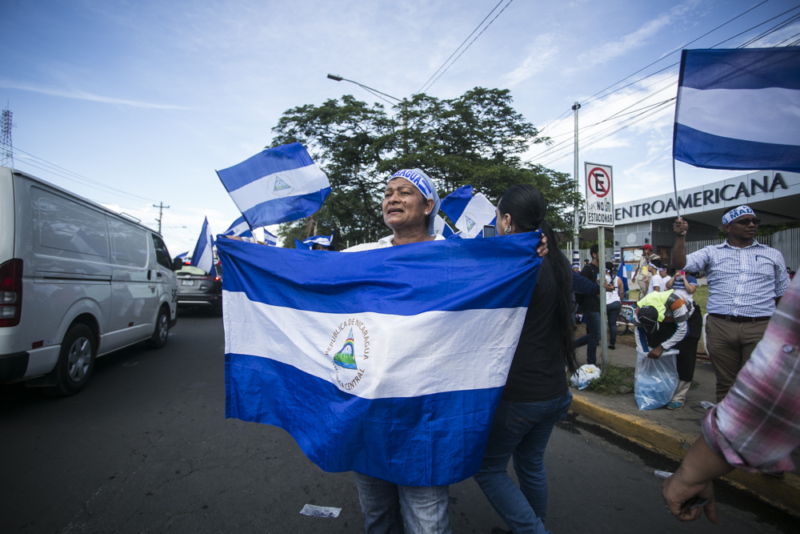
Democracy is under threat in Central America and authoritarianism is on the rise. This problem is having long-term institutional and economic implications for these countries and poses serious challenges for US policy towards the region. Uncheckered political ambitions and abuses of authority in the form of corruption or political and economic favoritism are signs of severe democratic backsliding. Nicaragua is an illustration of the consequences of unconstrained power. But the growing corruption and political ambitions of other Central American leaders could further affect democratic institutions in the region. It is important not only to bear witness but to mobilize proactive foreign policy to prevent authoritarianism from rising.Read more +
Jorge Mejía Peralta / Flickr / CC BY 2.0 DEED
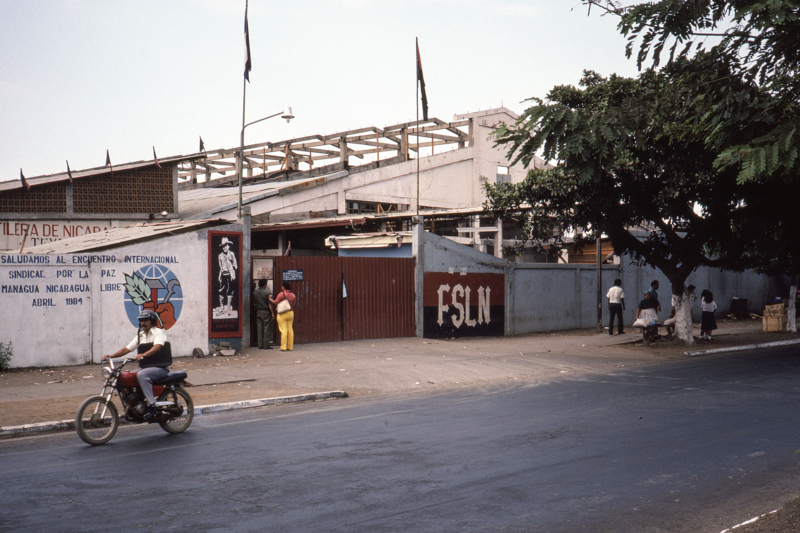
Nicaragua's political changes in 2024 will depend on both the internal and external responses to the dictatorial radicalization, as well as to how the international community redefines its policy toward and relationship with the Ortega-Murillo regime.Read more +
Former Nicaraguan Minister of Education Humberto Belli recently shared with us his article published in La Prensa on the subject of teacher pay. Belli co-chaired the Task Force on Education in Central America that produced PREAL’s Central American Regional Report Card in 2007 and was a member of the advisory committee for the Nicaragua national…Read more +