





What Roles are Women Playing in Mexico’s Drug War?
What roles are women playing in Mexico’s brutal drug trafficking war?
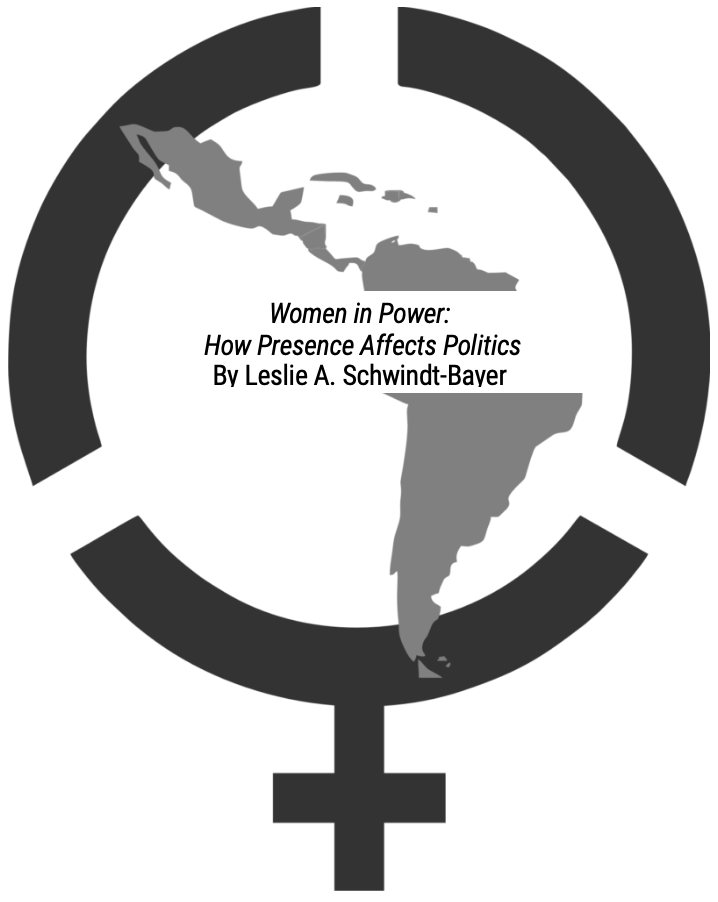
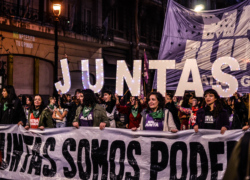
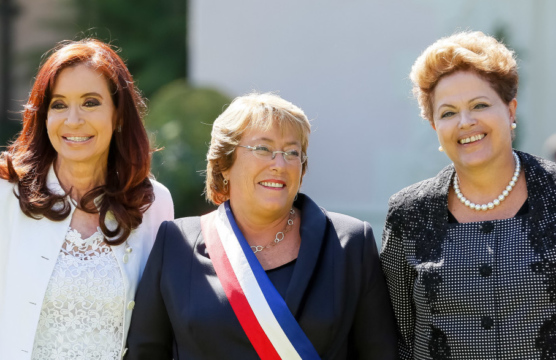
The number of women represented in political leadership in the Americas has increased dramatically over the past thirty years. In 2006, Chile elected its first female president, Michelle Bachelet, and Jamaica its first female prime minister, Portia Simpson-Miller. Women have gained access to cabinet appointments with a regional average of 21 percent of cabinet ministers being female, compared to only 14 percent just six years ago in 2000.
In national legislatures, the average percentage of women in office in the Americas has grown from 12.5 percent in 1995 to 20 percent in 2007, making it second only to the average proportion of women in Nordic legislatures at 41 percent. This growth has been particularly remarkable in Argentina and Costa Rica. Argentina’s first election of the current democratic period in 1983 resulted in only 3.9 percent of the Chamber of Deputies being female. By 2001, women comprised 30.7 percent of the lower house of congress. Costa Rica, one of Latin America’s longest standing democracies, had only three female deputies (5.3 percent) in the 1974- 1978 National Assembly but witnessed a jump from 19 percent to 35 percent in the 2002 election. Progress has been slower for subnational governments but women are increasingly represented among governors, state legislatures, mayors and local councils in the Americas. The growing numbers of women in politics augurs an important question – what effect do women in political leadership have on politics?
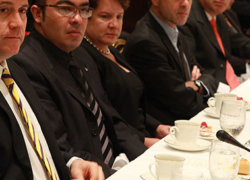
This report was prepared for the conference "Women in the Americas: Paths to Political Power" (2007).

What roles are women playing in Mexico’s brutal drug trafficking war?
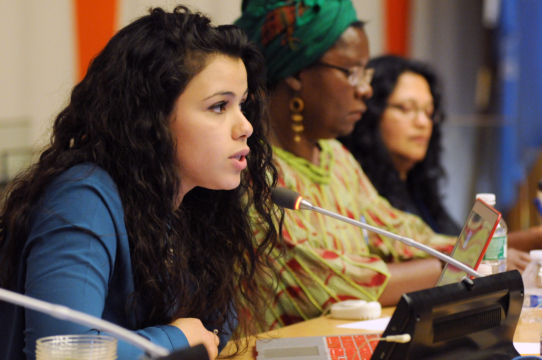
How are women faring in Latin America? Where has progress been made and how has that been achieved?
Would this be a more compassionate, more peaceful planet if more of it were ruled by women?