




What Roles are Women Playing in Mexico’s Drug War?
What roles are women playing in Mexico’s brutal drug trafficking war?
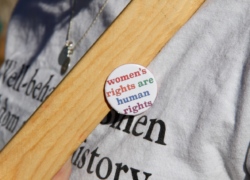
In 1975, female politicians and women’s groups from around the world met in Mexico City for the UN’s First World Conference on Women. They discussed the plight of women, from their absence in politics to the unique social and economic problems women face, and devised a set of recommendations for improving women’s status. These recommendations laid the groundwork for the UN Convention on Discrimination Against Women (CEDAW), which was passed in 1978 and has since been ratified by almost every country in the world. The most specific plan of action emerged from the Fourth World Conference on Women in 1995 in Beijing in the form of the Beijing “Platform for Action.” Since Beijing, countries have made significant progress toward implementing recommendations in the Platform, and numerous international and regional organizations have followed up on the success of the Beijing meeting with meetings and efforts of their own (such as the Summits of the Americas) to encourage countries’ compliance with the recommendations.
CEDAW and the Beijing Platform for Action encourage states to take steps to end discrimination against women and promote women’s equality. They recommend that states remove discriminatory language from laws and constitutions, establish government institutions to monitor and promote gender equality, and pass legislation to eliminate economic, social, and political inequality for women. The plans address a wide range of problems that women face including poverty, sex trafficking, limited reproductive health freedoms, violence against women, inequality in marriage and divorce rights, lack of access to education, discrimination in the workplace, and limited roles in political decision-making. They also suggest ways countries can eliminate these problems. Efforts thus far show progress toward achieving the goals of women’s equality, but while discrimination against women has been reduced, it is far from eliminated.
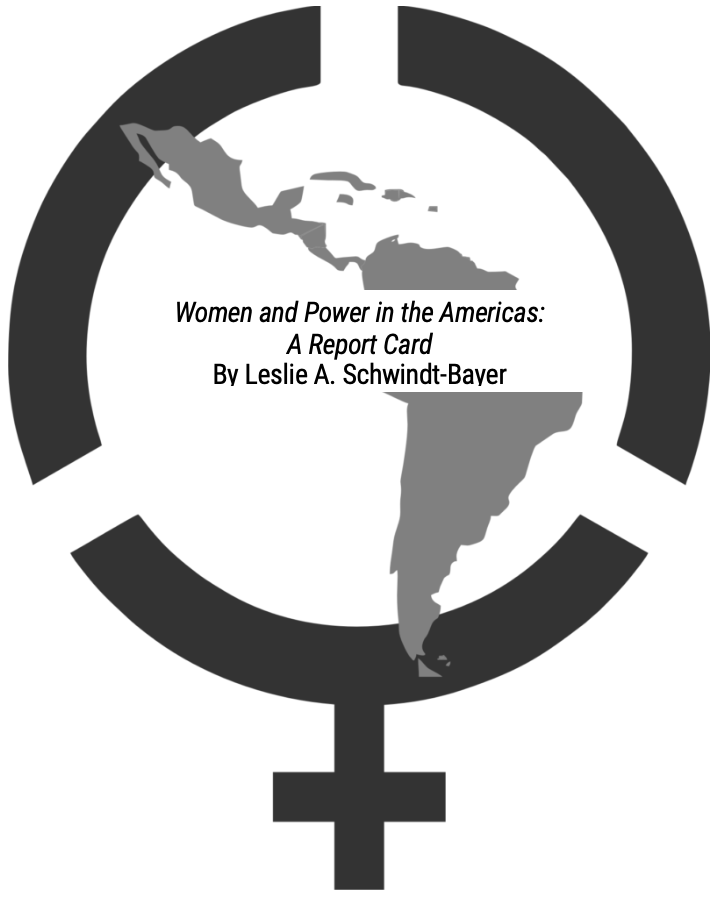
This report was prepared for the conference "Women in the Americas: Paths to Political Power" (2007).

What roles are women playing in Mexico’s brutal drug trafficking war?
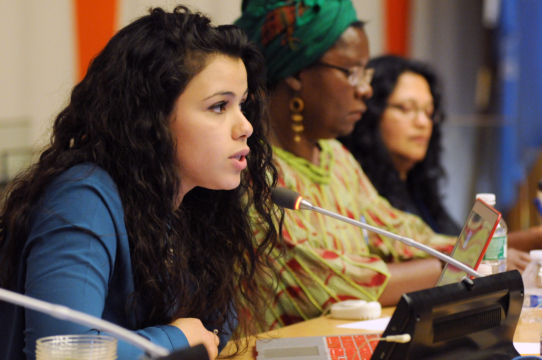
How are women faring in Latin America? Where has progress been made and how has that been achieved?
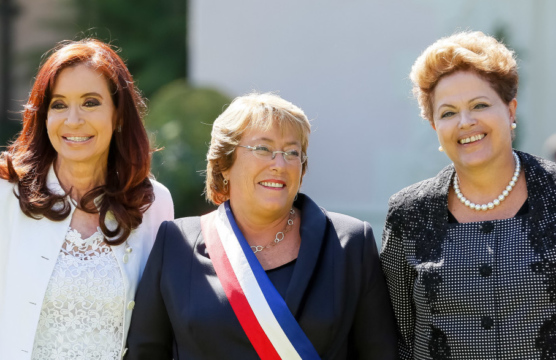
Would this be a more compassionate, more peaceful planet if more of it were ruled by women?