









Colombia-Venezuela Relations: What Are the Prospects?
Colombia and Venezuela have a history of rocky relations characterized by short bursts of improvement and deterioration.
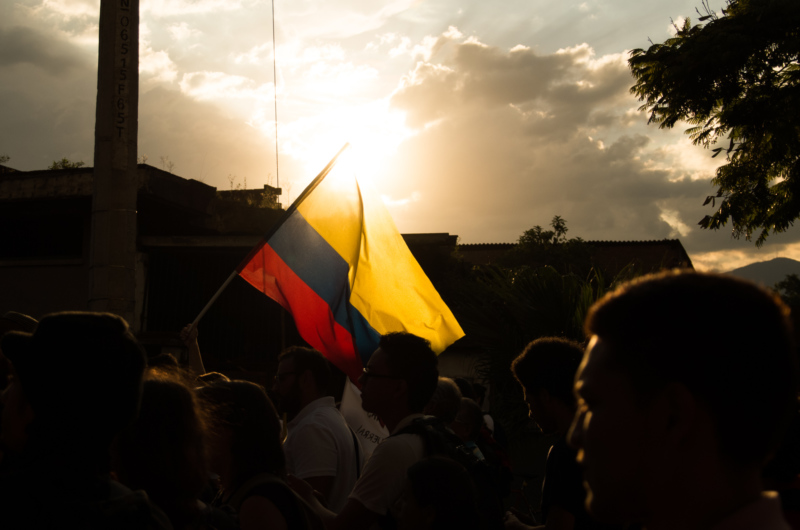 Leon Hernandez / Flickr / CC BY-NC-ND 2.0
As Colombians head to the polls on Sunday, May 27, for the first round of presidential elections, it would seem that the country has much to be optimistic about. The passage of a historic peace accord in late 2016 between the government and the country’s chief insurgency, the Revolutionary Armed Forces of Colombia (FARC), brought an end to more than a half century of armed conflict.
But for Washington’s closest strategic ally in the region, the outlook today is far from optimistic, much less triumphalist with a country still deeply divided by a deal that a majority of the public had rejected. Over the year and a half since its signing, the 300-page agreement continues to face mounting challenges in turning its terms into a reality, making implementation seem just as daunting as—if not more so—than fighting the war itself. Among an array of problems, crime and homicide rates have increased in many former guerrilla-controlled territories; coca production continues to climb sharply; and some FARC leaders are still involved in the drug trade, in clear violation of the accord. Further, resettlement of Colombians who had been forced from their homes by violence has proven more problematic than anticipated: security problems persist with criminal groups still active in those areas; rural development has stalled; land titles and ownership rights are in disarray; and there are no resources to make a decent living.
After decades of civil strife—along with a number of failed negotiations—the hope was that once the armed conflict ended, Colombian politics could move on from an all-consuming quest for security and peace and instead focus on forging a consensus over the country’s other major challenges: jump-starting the economy, attending long-standing social inequalities, and combating corruption, for example. This was the gamble made by Juan Manuel Santos, who staked his presidency on the peace initiative and, in doing so, won the Nobel Peace Prize.
[...]
Colombia and Venezuela have a history of rocky relations characterized by short bursts of improvement and deterioration.
On August 7, an important chapter in Colombian-Venezuelan relations that has coincided with the presidencies of Alvaro Uribe and Hugo Chavez will come to an end. These last eight years have been a rollercoaster, with moments of great tension but also occasional pragmatism.
While Santos is familiar with Chávez’s unpredictability and knows as well as anyone where the FARC rebels are and what they are up to, he also knows the economic stakes for Colombia.