













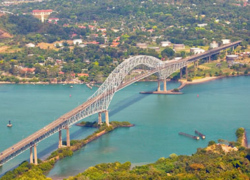

The Nationalism of Cristina Fernández de Kirchner
Argentine President Cristina Fernández has increased her appeals to nationalist sentiment to build domestic political support.
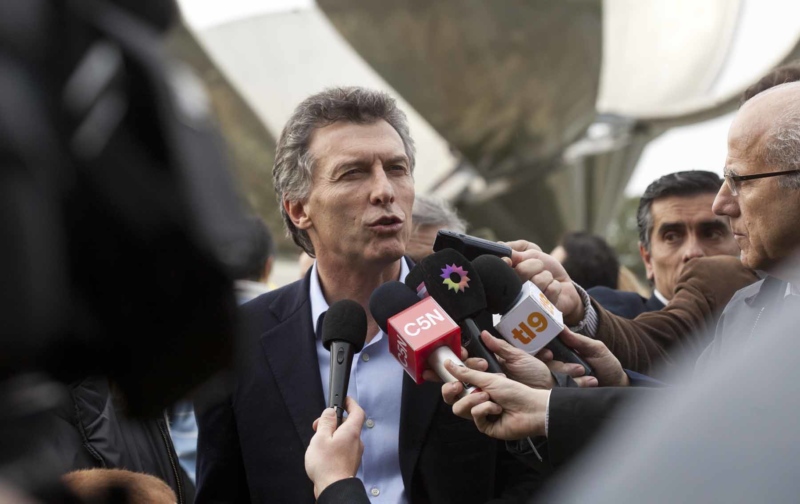 Mauricio Macri / Flickr / CC BY-ND 2.0
Last Friday, the International Monetary Fund formally opened negotiations with Argentina for a financial bailout, after a run on the Argentine peso drove its value down by roughly 20 percent against the dollar between January and the beginning of May. The financial crisis comes against the backdrop of Argentine President Mauricio Macri’s unpopular economic reforms, which have so far struggled to deliver promised results. In an email interview, Bruno Binetti, a Buenos Aires-based nonresident fellow at the Inter-American Dialogue, discusses the causes of the financial crisis, and the economic and political implications of an IMF bailout for Argentina and Macri.
World Politics Review: What’s driving the Argentine peso’s decline, and how has it affected Mauricio Macri’s fiscal and economic policy priorities?
Bruno Binetti: The run against the peso was triggered by the rise in U.S. interest rates, which led to the devaluation of many emerging economies’ currencies against the dollar. Argentina was particularly vulnerable to this external shock for three reasons. First, the peso was overvalued, as the exchange rate had not kept up with inflation. Second, the country needs to borrow abroad to cover a large fiscal deficit—over 5 percent of GDP—and a large current account deficit, which is the result of weak exports, high imports and a net outflow of capital. Finally, financial markets penalized the peso due to a perceived lack of coordination in Argentina’s economic policy.
In previous months, the Central Bank, under pressure from the administration, had relaxed monetary policy to boost growth, even if it came at the expense of containing inflation. That sent worrying signals about the independence of the Central Bank and the priorities of the administration, a fact that Macri himself admitted recently. After a timid initial reaction, which saw it lose almost 10 percent of its total hard currency reserves, the Central Bank contained the run by raising interest rates to 40 percent and intervening strongly in the currency market.
The government had hoped to have more time to adjust the economy gradually, while turning to external markets for much-needed financing. But the currency crisis showed that the era of “easy money” is over. From now on, Macri will need to accelerate economic reforms and bring government spending down as fast as possible in a much less favorable external environment.
WPR: What are the likely economic implications of an IMF bailout for Argentina, and how will that impact both Macri’s policy plans and the lives of everyday Argentineans?
[...]
Argentine President Cristina Fernández has increased her appeals to nationalist sentiment to build domestic political support.
China is looking for new agricultural investment opportunities in Latin America, but not necessarily for large tracts of land.
Given their close proximity to the United States, LAC countries are well-positioned to capitalize on the surplus of US gas exports and current buyer’s market.