











Falling Oil Prices Push Venezuela, Maduro Closer to the Edge
With crude oil prices down 25 percent since June and holding at roughly $86 a barrel on Tuesday, Venezuela is getting nervous.
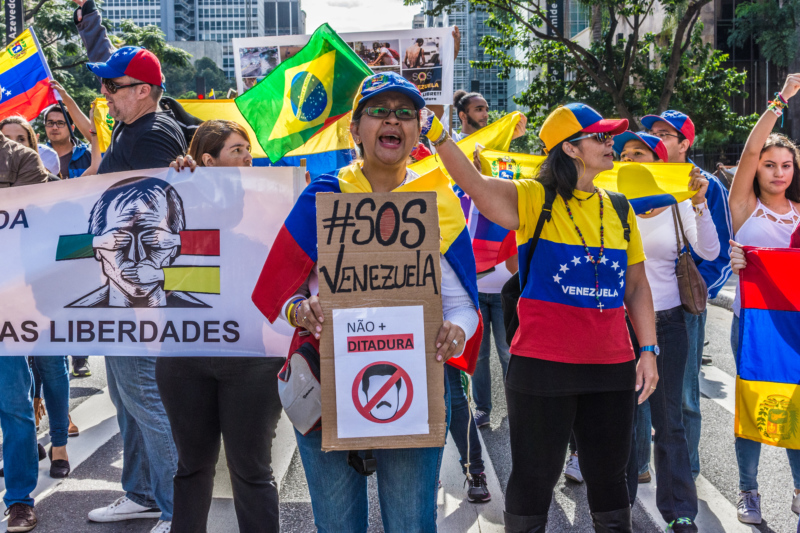 The Photographer / Wikimedia
On Dec. 26, Brazil’s government stripped Venezuela’s top diplomat in Brasilia, Gerardo Antonio Delgado Maldonado, of his credentials and kicked him out of the country. The expulsion, which came in retaliation for a similar move from Caracas, is the latest setback in badly deteriorated ties between the former South American partners. In an email interview, Peter Hakim, president emeritus and senior fellow at the Inter-American Dialogue, explains what is behind the breakdown in relations, and what regional governments are doing in response to the ongoing crisis in Venezuela under President Nicolas Maduro.
WPR: Why did Brazil expel Venezuela’s top diplomat in Brasilia? How has the move been received in Caracas?
Peter Hakim: The expulsion of Venezuela’s charge d’affaires—there was no ambassador in Brasilia—was a tit-for-tat after Caracas declared Brazil’s ambassador persona non grata on Dec. 23. Formally, the Venezuelans restated their claim that President Michel Temer’s government in Brazil had come to power illegally; Temer assumed power after his predecessor, Dilma Rousseff, was impeached in 2016. But the immediate cause was Brazil’s increasingly harsh criticism of the Maduro government’s violations of human rights and democratic practices, which was particularly galling because it came from a former ally and economic partner. Canada similarly responded to the expulsion of its ambassador by Caracas a few days earlier, after Caracas dismissed the diplomat citing Canadian interference in Venezuela. The Maduro government has had a largely antagonistic relationship with Brazil since 2016, when it condemned the impeachment of Rousseff as an unconstitutional, legislative coup d’état and recalled the Venezuelan ambassador in protest.
The Brazilian reaction was probably expected in Caracas, as it is the standard diplomatic response, and relations with Brazil had already badly deteriorated. Temer is deeply unpopular, with a public approval rating hovering around 5 percent, and had little choice but to respond firmly to Venezuela’s latest act of hostility.
WPR: What role has Brazil played in the regional pushback against Maduro’s government, amid the ongoing crisis in Venezuela?
[...]
With crude oil prices down 25 percent since June and holding at roughly $86 a barrel on Tuesday, Venezuela is getting nervous.
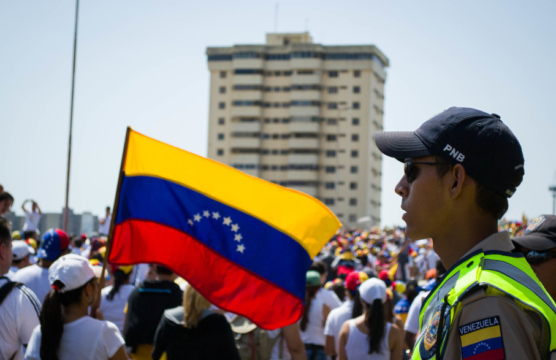
Can the government led by Nicolas Maduro survive the wave of street protests that have spread throughout Venezuela over the past two weeks?
Deadly protests, the largest since President Nicolás Maduro’s election last year, have wracked Venezuela in recent weeks.