In the midst of a historic pandemic, the roundtable offered participants an opportunity to discuss how to best address challenges facing healthcare systems across Latin American and the Caribbean.
Participants concluded that continued dialogue and collaboration between private business, public institutions at both the national and subnational level, and citizens on topics ranging from data sharing to healthcare investment will be necessary to create a strong and resilient health ecosystem for the future.
The rapporteur's report begins by discussing the challenges and solutions that both private enterprises and governments faced during the pandemic. It will then discuss specific challenges, such as an urgent backlog in patients suffering from non-communicable diseases and other non-Covid 19 related conditions that were prevented access to diagnosis, treatment or palliative care during the pandemic, and a lack of trust between stakeholders, that will have to be addressed to have a more resilient system for future health emergencies in the region. Lastly the report includes policy recommendations, such as collaborating at both the subnational and global levels, improving data sharing, encouraging dialogue between the private and public sectors to boost trust, and generating new sources of funding for Latin American and Caribbean countries to address a lack of investment in health.
Key Takeaways
In the pandemic, the private sector played a key role in developing and manufacturing essential medical supplies, providing valuable data for policymaking, and collaborating with public health services to improve patients’ access to care. In future emergencies, the private sector must be prepared to expand production and ensure an adequate reserve of basic medial supplies.
The private sector will be essential in creating responses to future emergencies and finding solutions to long-term health care issues, as well as initiating a digital transformation of the health sector to improve information sharing.
Stakeholders should act now to create designs for public and private sector cooperation before the next health emergency, enabling governments to quickly implement effective and collaborative response plans.
Governments must begin prioritizing soft infrastructure projects in health and education and coordinate world-wide on regulations and priorities. Non-governmental organizations must seek to collaborate at the sub-national level with governments.
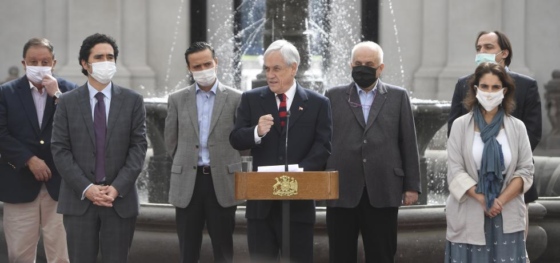
Some governments in Latin America imposed early preventive measures and mobilized health systems to meet the threat of Covid-19. Meanwhile, others with populist national leaders have done very little to prepare for or otherwise mitigate the epidemic.
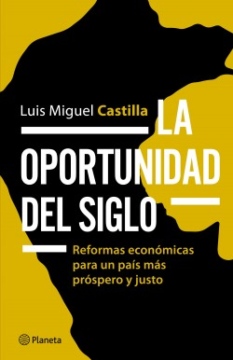
Luis Miguel Castilla, former minister of finance and economy of Peru, has published a new book titled “La oportunidad del siglo: Reformas económicas para un país más próspero y justo,” or “The opportunity of the century: Economic reforms for a more prosperous and just country.”