












Will the New US Aid Plan for Central America Be Successful?
Will Central American governments spend the money effectively? Do the countries in the isthmus have a good plan to fight the drug cartels?
 Flickr / júbilo haku
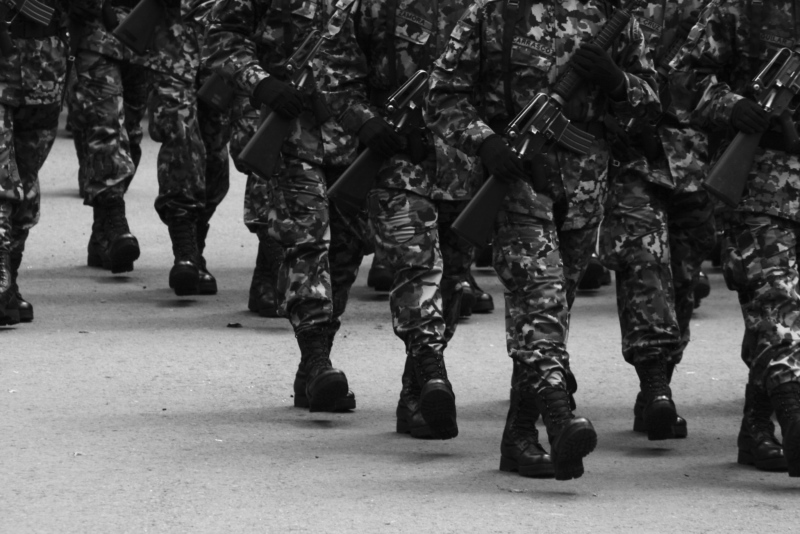
The secretary of defense’s trip to Latin America offers a rare opportunity to show US support for strengthening the region’s ability to fight crime and violence. Militarization is not the answer.
As we bear witness to the global democratic recession, we cannot afford to ignore the increasing militarization of societies in Latin America, which has coincided with illiberal trends in other parts of the world. After President Trump’s ill-advised suggestion to use the United States military to secure our southern border, the administration has an opening this week to demonstrate commitment to our core principles by stating its opposition to the militarization of law enforcement, which represents a challenge to liberal democracy across much of Latin America.
As James Mattis embarks on his first trip to South America as secretary of defense, he has the opportunity to declare United States support for police and judicial reform as the best method to fight crime and violence. It is the perfect time to highlight the dangers of militarization; three of the four countries on the secretary’s itinerary — Brazil, Argentina and Colombia — have to varying degrees turned to their armed forces for domestic security. Unfortunately, as we’ve seen in Mexico, reliance on the military jeopardizes the protection of human rights and can actually exacerbate citizen insecurity.
Secretary Mattis will begin his trip in the Southern Cone before traveling to Colombia. Given the military’s participation in past repression in Brazil and Argentina during the dictatorships of the Cold War, the deployment of the armed forces to supplement and sometimes even supplant the police is particularly alarming. Military operations in the favelas of Brazil have become commonplace, and the Brazilian Army is currently in charge of Rio de Janeiro’s police force. The front-runner among eligible candidates for Brazil’s October presidential election, the retired Army Capt. Jair Bolsonaro, would most likely increase the use of troops to fight crime. After all, he has suggested that security forces should have greater impunity to shoot criminals, and he has expressed nostalgia for Brazil’s 21-year military dictatorship, which he has called “a time of glory.”
Concurrently, Argentina is taking the first steps down the path toward reliance on the military for internal security. Last month, President Mauricio Macri announced the deployment of troops to the northern border region to work alongside the police to counter illicit trafficking. And in the case of post-peace-accord Colombia, President Iván Duque will continue to rely on the armed forces in the ongoing struggle against criminal bands, the National Liberation Army and former Revolutionary Armed Forces of Colombia members who have refused to disarm.
[...]
Will Central American governments spend the money effectively? Do the countries in the isthmus have a good plan to fight the drug cartels?
As the global financial crisis continues to alter US relations with the hemisphere, greater engagement in the region remains critical to US interests.
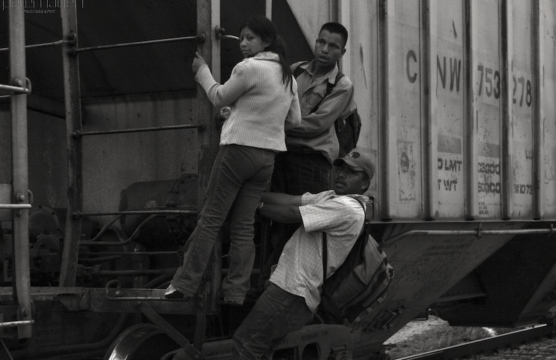
Despite the economic importance of migration, Central American governments have lacked integral policies to leverage migration for development.