





The Politics Of Disaster Relief
After a 7.0 magnitude earthquake struck Haiti, the aftershock reached China in ways that few anticipated.The earthquake forced Chinese leaders to navigate the tricky politics of disaster relief.
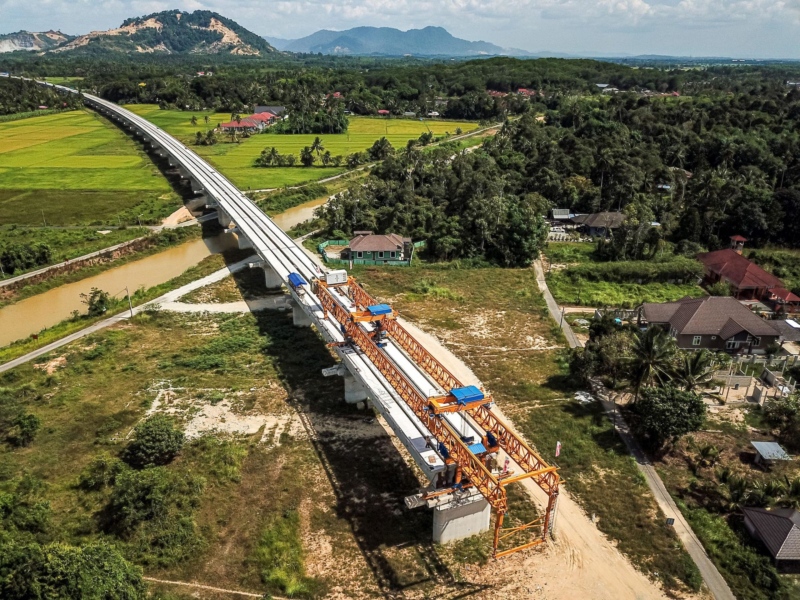 Zhu Wei/Xinhua/Alamy Live News
On September 7 2013, President Xi Jinping announced at the Nazarbayev University in Kazakhstan, a proposal to “join hands building a Silk Road economic belt”. That speech is widely considered the starting point for China’s enormous programme of overseas investment, connectivity and cooperation. First known as the Silk Road Economic Belt, it then became One Belt One Road, and finally the Belt and Road Initiative (BRI).
The speech framed the BRI as primarily concerning the Central Asian countries with historical links to the ancient Silk Road, but the initiative has since grown to encompass 148 countries on every continent excluding Antarctica. As of June 2023, these countries have seen just over US$1 trillion of investment and construction contracts for infrastructure projects, increasing trade and reams of cooperation plans under the banner of the Belt and Road. This has offered new hopes and opportunities for development.
But there have also been no shortage of controversies. The sometimes lax implementation of environmental and social standards and the dominance of high-carbon investments was one high profile area of contention in the roll out of the BRI. It is something China subsequently began to address, particularly since the 2nd Belt and Road Forum in 2019, with a call to “green” the Belt and Road.
Ten years on, how has the BRI evolved? And what should we expect from the initiative as it enters its second decade? China Dialogue asked six experts for their thoughts as the BRI turns 10 today.
After a 7.0 magnitude earthquake struck Haiti, the aftershock reached China in ways that few anticipated.The earthquake forced Chinese leaders to navigate the tricky politics of disaster relief.
Despite reports in recent months that Mexican manufacturing is experiencing a resurgence, Mexico’s industrial sector faces tremendous challenges.
China has rapidly emerged as the world’s leading consumer and importer of minerals.