
















‘Campanha bizarra, cruel e divisiva’, avalia especialista americano
Presidente emérito do Inter-American Dialogue, Peter Hakim diz que maioria republicana sabe que Hillary é provável vencedora.
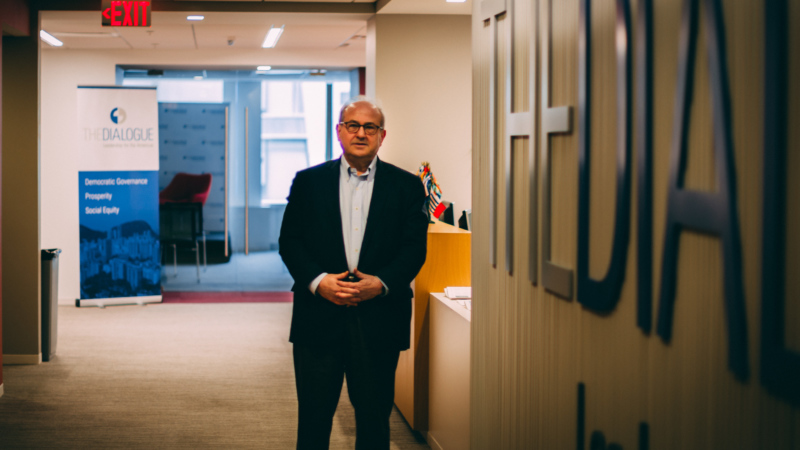 Francisco Arteaga
Son muchas las expectativas que ha despertado a nivel mundial el triunfo de Joe Biden en las elecciones presidenciales de Estados Unidos. Michael Shifter, presidente del Diálogo Interamericano, conversó con El País (Colombia) acerca de cómo cambiará la política exterior de los EEUU en asuntos claves como la migración y el medio ambiente, entre otros.
“Esas alianzas, sobretodo con Europa, se han debilitado bastante en los últimos cuatro años. Biden buscará reconstruirlas y también reparar el daño, tarea que puede tomar tiempo.”
“Biden rechaza la idea de usar amenazas y castigos para frenar flujos migratorios a los Estados Unidos. Al contrario, está comprometido con programas de cooperación y desarrollo para atacar las causas fundamentales de la migración.”
“Bajo el Gobierno Trump hubo poca atención al tema y aún comparado con los años de Obama se puede esperar que sea más prioritario. En los EEUU, y sobretodo en el Partido Demócrata y entre los jóvenes, el tema del cambio climático ha ganado mucha fuerza y está visto como amenaza existencial al planeta.”
[...]
Presidente emérito do Inter-American Dialogue, Peter Hakim diz que maioria republicana sabe que Hillary é provável vencedora.
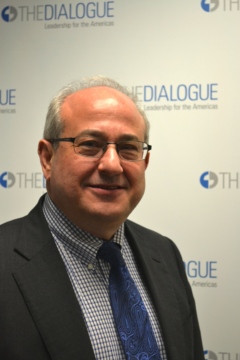
Michael Shifter fue entrevistado por Gerardo Torres de El Salvador sobre los temas más destacados en la agenda regional. Entre otros asuntos, Shifter habló sobre el futuro de la paz en Colombia, la crisis política y económica en Venezuela, y el impacto de las elecciones de Estados Unidos en la región.
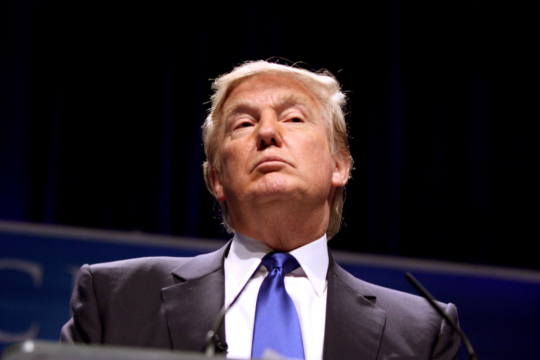
¿Debe México hacer campaña en Estados Unidos para que conciudadanos se registren y voten, y otra para resaltar los beneficios del TLCAN? ¿Es momento de pensar en cómo recibiremos a millones de deportados, hay que dar la pelea en tribunales internacionales de derechos humanos? ¿Llegó la hora de preparar represalias comerciales contra Estados Unidos y considerar nuevos socios en AL, Europa y Asia? Son muchas preguntas, y variadas y hasta opuestas las respuestas que dan diplomáticos, politólogos y analistas. Sólo una sola cosa es cierta: Trump es impredecible.