














A Conversation with Alonso Salazar
Medellín is Colombia’s second largest and fastest growing city, but also the most dangerous major city in the country.
 Flickr / Anne McCormack
It came straight from the mouth of Foreign Minister Luis Videgaray of Mexico, arguably the most influential member of President Enrique Peña Nieto’s administration: a Trump administration rejection of the North American Free Trade Agreement would undermine United States-Mexico security cooperation and our collaboration on migration.
Until recently, the Mexican government had only insinuated that security cooperation was on the table. It’s time for Americans to take the warning seriously as Mexico heads into an election year in which anti-Trump sentiment continues to grow, increasing the political cost of partnering with the United States and buoying the nationalist presidential candidate Andrés Manuel López Obrador. The Americas Barometer reports that the Mexican populace’s distrust of the United States rose to 84 percent from 31 percent in just three months after Donald Trump was elected.
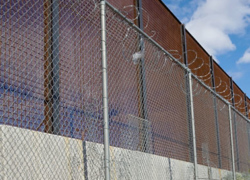
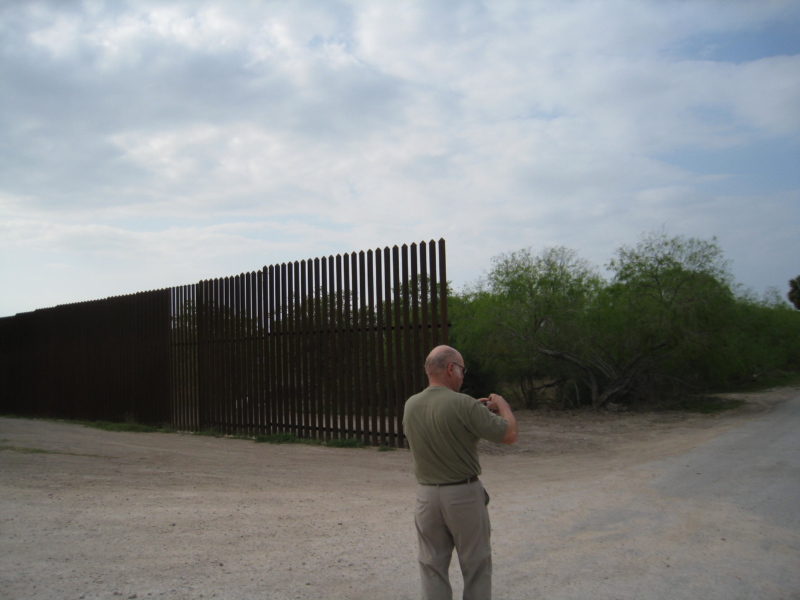
Many analysts worry that the Trump administration’s disparaging language and its positions on trade, immigration and the wall threaten our economic and political connections. However, a third core pillar of the relationship — our bilateral defense and security relationship — is also being tested. A deterioration of our defense cooperation threatens the stability and security of our hemisphere in areas from illicit trafficking to migration-related humanitarian crises to destabilizing crime and violence.
These developments are unfortunate, given that President Trump inherited a partnership of exceptional collaboration in the defense sphere. This cooperation was facilitated by Mexico’s willingness and capacity to take on a greater share of the security burdens not just in the Western Hemisphere but globally. The Mexican military has increased activity in international forums, developing the groundwork for potential future external military missions, including contributions to United Nations peacekeeping operations. After eight years of confidence-building initiatives, the Obama administration established a defense relationship of trust, and cooperation expanded beyond counternarcotics and counterterrorism to broader strategic engagement including coordinated efforts in Central America, humanitarian assistance and disaster relief, and global peacekeeping.
By jeopardizing United States-Mexico counternarcotics cooperation, President Trump risks cutting off his nose to spite his face. He has declared the opioid epidemic a public health emergency, and his ill-advised supply-side approach requires Mexican collaboration.
[...]
Medellín is Colombia’s second largest and fastest growing city, but also the most dangerous major city in the country.
Violent crime in Central America, particularly in the “northern triangle,” is reaching breathtaking levels.
Will Central American governments spend the money effectively? Do the countries in the isthmus have a good plan to fight the drug cartels?