






Can Spain Solve the Cuba Problem?
By all accounts, Spain wants to bring change to the European Union’s Cuba policy. In so doing, it is tackling a foreign policy challenge that often sheds more heat than light.
 Bloomberg via Getty Images; Felix Leon / AFP via Getty; Claudio Cruz
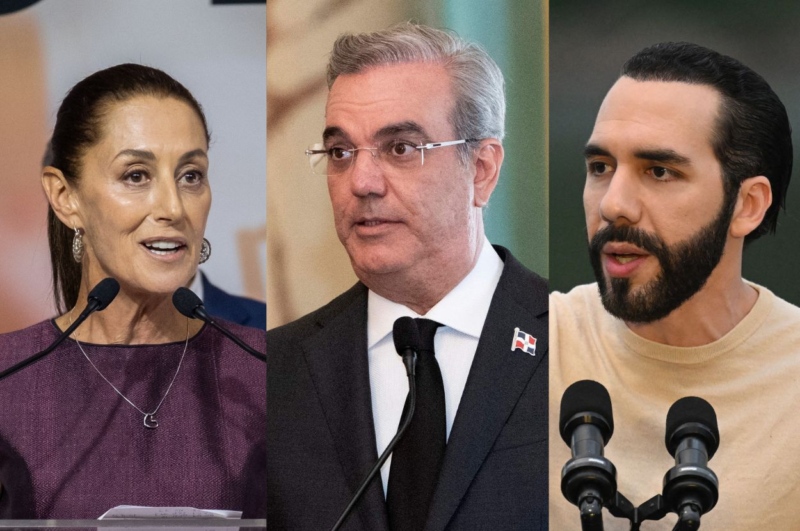
In Latin America’s 2024 electoral super-cycle, voters seem likely to reward leaders who address their most fundamental needs—in some cases regardless of whether they value democracy, clean government or the rule of law.
That is a notable shift, following several years in which a “throw the bums out” anti-incumbent sentiment was the prevailing trend in the region. As readers of [Americas Quarterly] know well, 20 of the last 22 free and fair presidential elections in Latin America dating back to 2018 have been won by the opposition, as voters lashed out against stagnant living standards, corruption and a surge in organized crime. But that trend could change this year, thanks to leaders who have enjoyed some measure of success—even if it has come at a cost.
Indeed, in El Salvador, Nayib Bukele is poised for reelection due to his security policies—which have contributed to a reduction in crime, but also imprisoned thousands of Salvadorans without due process. President Andrés Manuel López Obrador’s preferred candidate Claudia Sheinbaum leads the polls in Mexico, leveraging the incumbent’s popularity from social programs, despite his repeated attempts to undermine independent institutions. In Panama, former President Ricardo Martinelli, convicted for money laundering, is a leading candidate after having governed previously during a time of economic prosperity.
Some of this year’s elections will be more traditional. In the Dominican Republic, President Luis Abinader, whose popularity is based on an anti-corruption platform, is leading the polls. Uruguay remains a case study of how democratic institutions over time can deliver on people’s concerns, though organized crime poses risks.
Venezuela merits separate treatment. While Nicolás Maduro’s regime has committed to holding an election, almost no one believes it will be genuinely free and fair. Indeed, a true return to democracy demands more than having a vote.
The following is a brief overview of Latin America’s elections—and one “election”—in 2024.
By all accounts, Spain wants to bring change to the European Union’s Cuba policy. In so doing, it is tackling a foreign policy challenge that often sheds more heat than light.
When Haiti was struck by a devastating earthquake, the administration of U.S. President Barack Obama quickly absorbed the depth of the tragedy and necessity of a robust U.S. response. Unless the U.S. adopts a proactive role, Haiti’s fragmented political landscape threatens to deteriorate into a political vacuum that will compound the current crisis.
Politics is swirling everywhere. Such are the ways of democracies, especially when oppositions come alive and defeat or threaten incumbents.