




What Roles are Women Playing in Mexico’s Drug War?
What roles are women playing in Mexico’s brutal drug trafficking war?
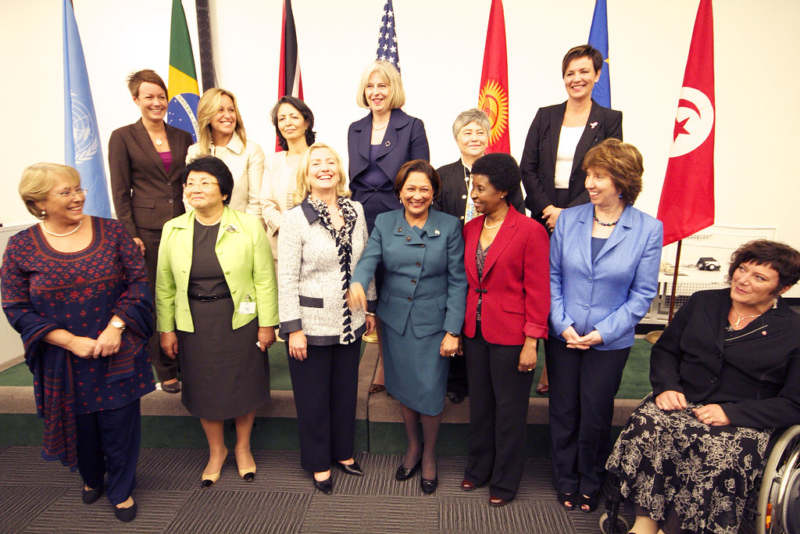 Hilary Duffy, UN Women / Flickr / CC BY-NC-ND 2.0
Women form more than half the population, but constitute only a small minority of all political representatives. According to the most recent figures, they occupy 17 percent of all seats in national parliaments around the world (Inter-Parliamentary Union 2007b). However, attention to global averages masks important variations. States like Rwanda, Sweden, and Costa Rica have nearly equal numbers of male and female parliamentarians, while countries like Kyrgyzstan, Qatar, and Saudi Arabia have no women in their parliaments at all. Further, it does not acknowledge the important increases made over the last several years in a number of countries around the world. In Latin America, the two most notable cases are Argentina, where the percentage of female deputies grew from 5 percent in 1991 to 35 percent in 2006, and Costa Rica, where the proportion increased from 5 percent in 1993 to 39 percent in 2006 (Inter-Parliamentary Union 1995; Inter-Parliamentary Union 2007a). In this and other regions of the world, a crucial impetus for change has been the adoption of quota policies to facilitate the selection of female candidates to political office. However, not all quotas are equally successful in increasing women’s political representation: some countries experience dramatic increases following the adoption of new quota regulations, while others see more modest changes or even setbacks in the proportion of women elected to national assemblies.

What roles are women playing in Mexico’s brutal drug trafficking war?
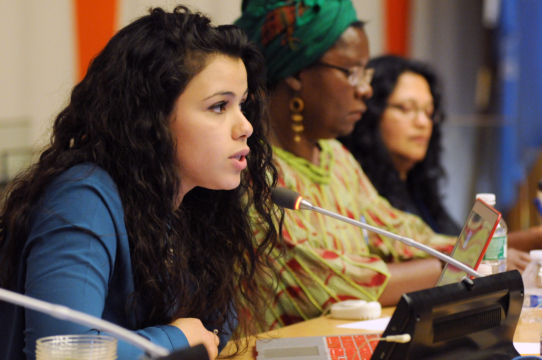
How are women faring in Latin America? Where has progress been made and how has that been achieved?
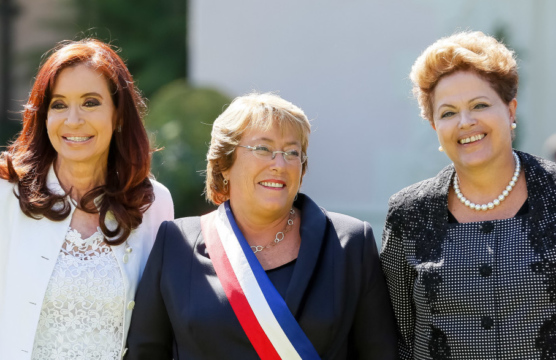
Would this be a more compassionate, more peaceful planet if more of it were ruled by women?