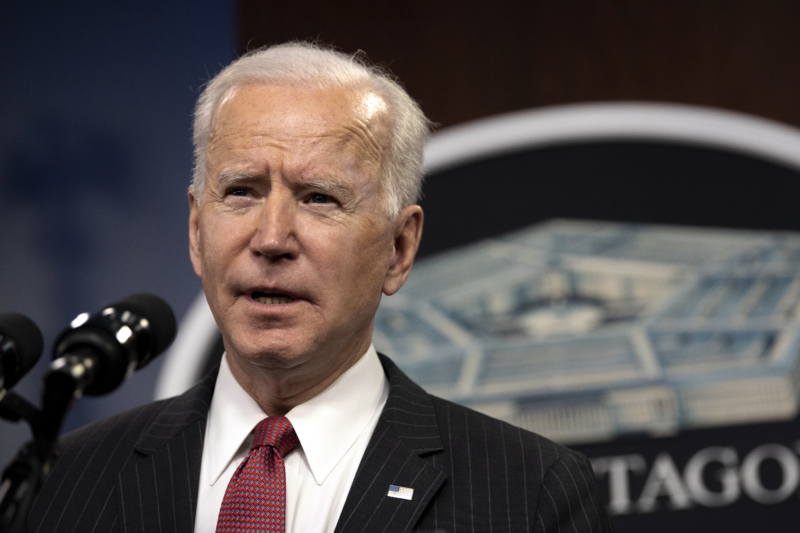
Chavez: “[The summit] should not be seen as a one-and-done event. It should be just seen as a starting point for action.”

Ahead of the summit, officials declined to provide specifics but said Biden would advance initiatives to address climate change, food insecurity, and a collaborative approach to a regionwide migration crisis that has sent millions of people spilling out of Haiti, Venezuela and other countries.

Rebecca Bill Chavez, a former Pentagon official who serves as head of the Inter-American Dialogue, said the administration must sustain high-level engagement on the region.

“This should not be seen as a one-and-done event,” she said. “It should be just seen as a starting point for action.”

[…]

Hanging over the summit are larger questions about the place that Latin America should occupy in the constellation of foreign policy challenges the Biden administration — and any administration — must confront, including China’s economic and military rise, an unpredictable and antagonistic Russia, the global implications of climate change and many other issues.

Chavez said the United States must embrace a policy of persistent high-level engagement.

“I understand that Latin America cannot be our top priority,” she said. “But it needs to be on the list.”

READ THE FULL ARTICLE IN THE WASHINGTON POST.

COMENTARIOS DE TARACIUK BRONER:

Q & A:

Q

¿Qué tan válido ves tú — o legítimo — el temor que reporta la Casa Blanca de que aumente la migración haitiana?

A

“Una política de seguridad que funcione debe tener dos pilares: una visión punitivista donde quien comete un delito vaya preso, pero con debido proceso y bajo investigaciones por un poder judicial independiente y, por otro lado, una serie de políticas que sean más sociales y preventivas que eviten la comisión del delito.” 

View Video Clip

Key Findings

Suggested Content

Q&A with Igor Patrick: “The dispute over who processes Brazilian rare earths—not who digs them—will define whether this moment becomes strategic autonomy or just another commodity boom.”

This Q&A is part of the Brazil Program's ongoing efforts to examine the evolving geopolitical and economic dynamics shaping Brazil's role in global supply chains,

Santos: “The era of sweeping tariffs is here to stay, and the private sector will increasingly begin pricing in U.S. tariff risk.”

In an interview with O Globo, Bruna Santos, director of the Brazil Program, discussed the broader implications of the Trump administration’s tariff strategy, arguing that

USTR Announces Tariff Decision on Brazil—What It Means

On July 15, the Office of the United States Trade Representative (USTR) released its final decision following the Section 301 investigation into Brazil, confirming a

The Inter-American Dialogue MEXICO Program

SUBSCRIBE TO OUR NEWSLETTER / SUSCRÍBASE A NUESTRO BOLETÍN:

* indicates required

The Inter-American Dialogue BRAZIL Program

SUBSCRIBE TO OUR NEWSLETTER / SUSCRÍBASE A NUESTRO BOLETÍN:

* indicates required

Subscribe To
Latin America Advisors

* indicates required field

This site is protected by reCAPTCHA and the Google Privacy Policy and Terms of Service apply.

The Inter-American Dialogue Education Program

SUBSCRIBE TO OUR NEWSLETTER / SUSCRÍBASE A NUESTRO BOLETÍN:

* indicates required